Guest Gist: Monsters, Inc: Frankenstein, Dracula and masculinity
Sarah Manvel considers Monsters, Men and their 1990s selves by comparing Draculas and Frankensteins from then and now. This is The (Guest) Gist.

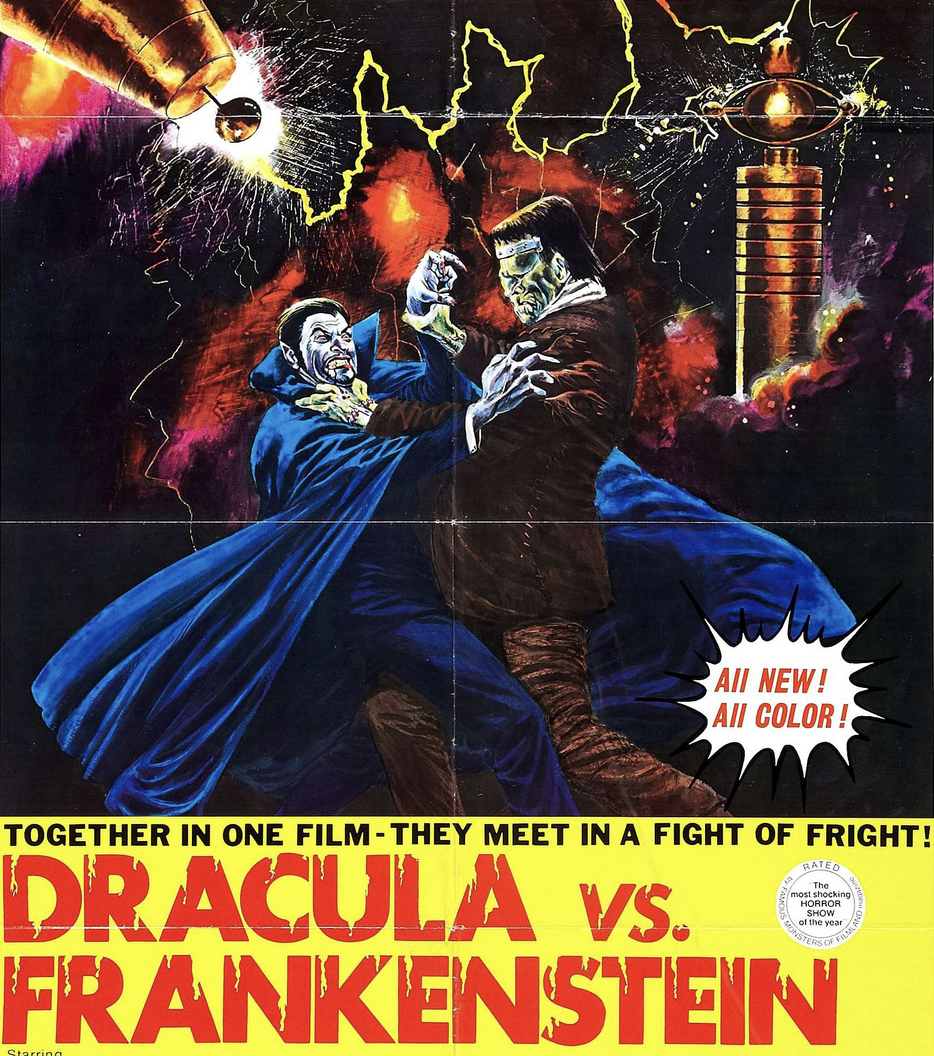
One cool thing about the classics is that their adaptations tell us a great deal about the moment of their creation. Right now we're all kind of worried about men. The pervasive sense that men don't quite know how to behave anymore is getting addressed quite a bit in current cinema. Big releases this year worrying about masculinity included Roofman, Wake Up Dead Man, The Running Man, One Battle After Another, Materialists and the underrated Caught Stealing. But looking specifically at the classics, both Dracula and Frankenstein had major movie adaptions released in the last twelve months, and both had their previous major adaptations around thirty years ago. So let's consider what these separate pairs of movies can tell us about masculinity then and now.
Once bitten, twice guy
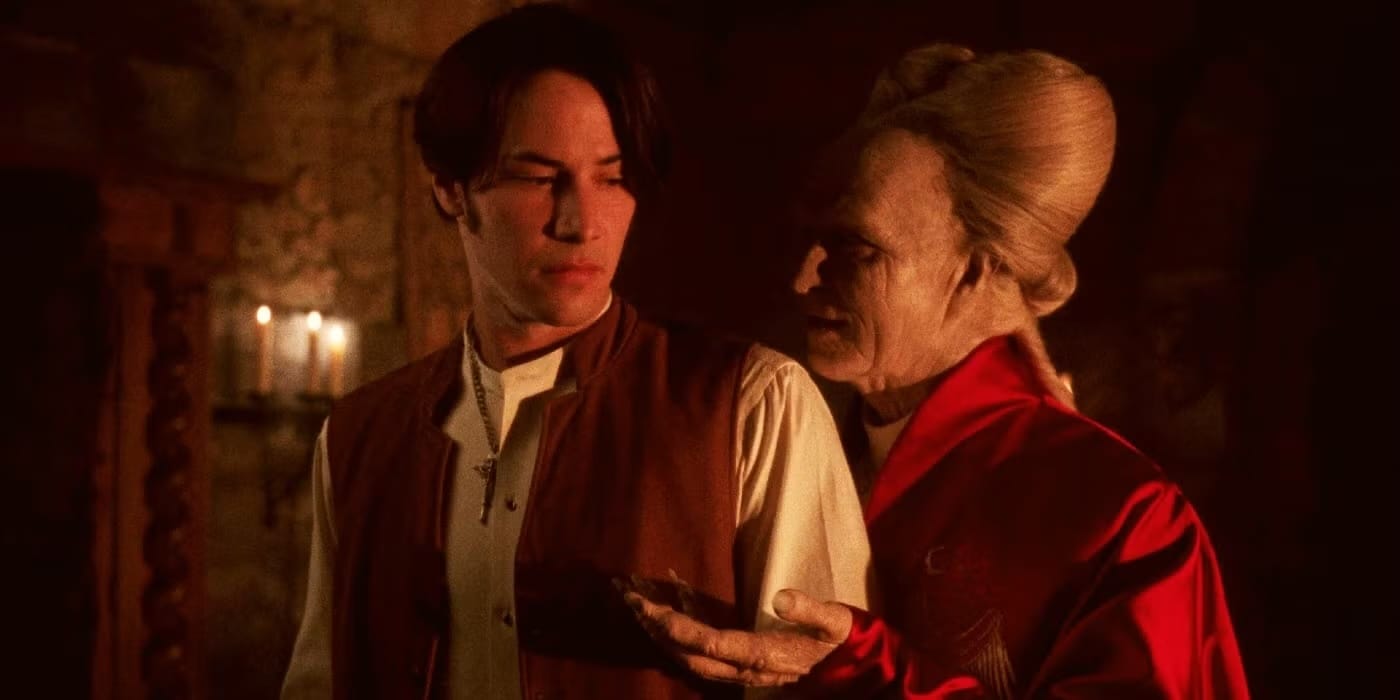
The first thing one notices watching Bram Stoker's Dracula from 1992 is the sense of heightened reality provided by the stagey sets and Eiko Ishioka's Oscar-winning costumes. The second thing is that Keanu Reeves as Thomas Harker is so out of his depth there's no competition between himself and Dracula (Gary Oldman) for the favours of Mina (Winona Ryder), even when Mina learns about Dracula’s dastardly actions towards her best friend Lucy (Sadie Frost). Fortunately Lucy’s various boyfriends gang together to take Dracula down with the help of Van Helsing, who Anthony Hopkins plays with a directness that was almost certainly not intended to be so comic.
By contrast, there’s no laughs at all in 2024’s Nosferatu, in which the vampire (Bill Skarsgård) is so physically disgusting that he must hypnotize or incapacitate his victims to get close to them. Director Robert Eggers combined the Dracula story with The Exorcist, putting the gentle Ellen (Lily-Rose Depp) under Nosferatu’s mind control since childhood that her attempts to fight result in seizures. (The character names are changed thanks to the 1922 movie adaptation also called Nosferatu, but it’s the same Dracula.) Ellen's husband Thomas (Nicholas Hoult) is a decent man, who loves his wife and undergoes his trials for her benefit. And yet his best friend (Aaron Taylor-Johnson) sees his own wife (Emma Corrin) as a possession, culminating in a final action so repulsive that even the screenplay has to say it can't take any more of it.
The difficult sexual politics of Dracula are evenly matched by those in Frankenstein. Mary Shelley's Frankensteinwas made in 1994 on the heels of the surprise success of Bram Stoker's Dracula, with Francis Ford Coppola involved as a producer instead of director and with the same pretentiousness of adding the novelist’s name to the title. But any Kenneth Branagh joint has the ego of Kenneth Branagh at the centre, and the major focus of his Victor is his romantic relationship with his adopted sister Elizabeth (Helena Bonham Carter). This gross incest theme is not quite subsumed by Victor building his creature, with the help of several friends, using the body of an anti-vax prisoner (Robert De Niro). Issues of control, bodily autonomy and whether anyone can compel anyone else to love them are all handled with the maximum amount of melodrama.
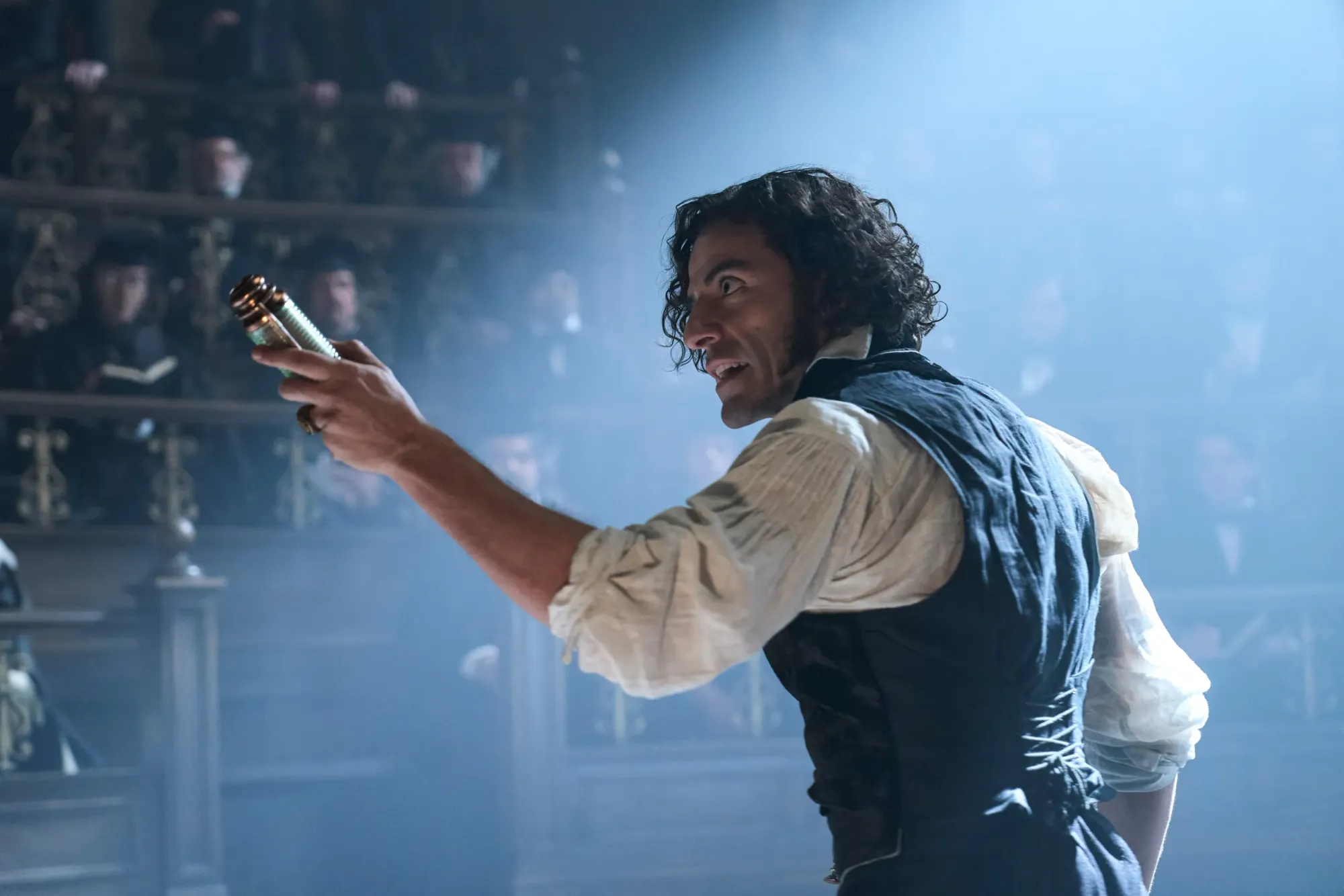
By contrast, in Guillermo del Toro's Frankenstein from this year, Elizabeth (Mia Goth) is the science-loving fiancée of Victor (Oscar Isaac)'s younger brother. She relates strongly to the Creature (an astonishingly good Jacob Elordi) as someone else mistreated on the macro and micro levels. There's attraction but no sexual creepiness against Elizabeth here, and Victor flatly refuses to build the Creature a bride. Instead the fury from the Creature is because Victor rejected him for needing him too much. The violence is largely between them, only otherwise harming some of the Danish sailors who bravely get in the way of their vendetta. Well, and ruining a wedding. Their obsession with each other leaves women out of it, which is probably for the best.
Monster Men, not great for women
But what do these four movies tell us about men thirtyish years ago (when I was old enough to sneak into Bram Stoker’s Dracula at my local multiplex on its opening night, but definitely not mature enough to understand it) and where we are now? Well, the central metaphors of both stories – men wish to use the bodies of others to create life without taking responsibility for their actions or any consequences – are still sadly relevant. In both the male characters also face a double threat: firstly, happy female sexuality is so strong a danger to men that not even death is an escape from it. Secondly, men’s homes are at constant risk from outsiders, who bring plague and disease with them in addition to their capacity for seduction and/or violence. When foreign men corrupt nice local ladies, who have been kept innocent of their powers by design until it is too late, the horror follows.
The nineties versions of that horror rely on a stylised melodrama that has gone out of fashion, using overwrought cinematography and huge sweeping spaces to make their points. The modern versions emphasise small details, with plenty of clutter in their spaces since stunt work and CGI handle the melodrama. When it comes to the battle of the sexes, the decades also take opposite approaches. In the nineties versions, women should have been protected from the unfairness of society by a kind husband. In the present day, the husbands are so distracted women must stand alone against evil with only their intelligence and morality as weapons. And what does kindness get the modern man? Hoult’s caring husband is no match for the evil consuming his wife, and Elordi’s thoughtful Creature is left to face the endless cold alone.
It's all pretty grim, and Maggie Gyllenhaal’s The Bride! out in March 2026, which will place Frankenstein in 1930s Chicago, doesn’t look any more relaxing. But at least Frankenstein and Dracula each have a saving grace, though the different decades provide different ones. In the nineties versions the heroes have lots of friends to fight evil with, and the modern versions emphasise everyone can make their own choices.
In del Toro’s Frankenstein Victor apologises to the Creature so the Creature forgives Victor, and those acts of kindness provides the movie a grace note that all these other adaptations deny themselves. The lack of hope in Nosferatu is what makes it so hard to bear, and both of the nineties adaptations end with such brutal murder the whole experience is soured. Even in horror there must be hope, and our concerns about masculinity must include making it easy for men to make both lots of friends and happier choices. Del Toro’s Frankenstein shows the way, which I think makes it the superior adaptation. For monsters are not born but made, which means they can be unmade, if people choose to be kind.
Sarah Manvel is a very funny and beautiful genius, who doesn't like pina coladas. Oh you mean professionally? She is the author of You Ruin It When You Talk and a Rotten Tomatoes-approved film critic. Her own blog is https://sarahsnewideas.com and she'd really love a literary agent. She also enjoys when she gets to write her own bio.